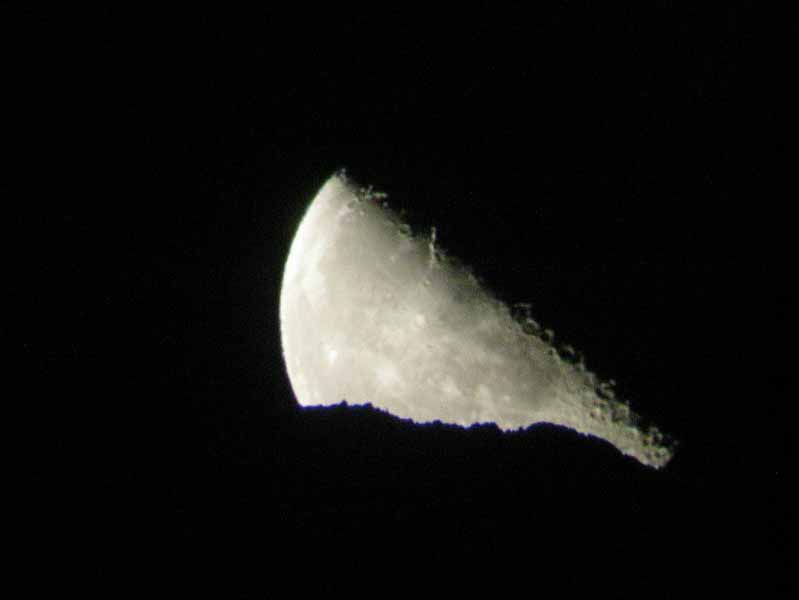
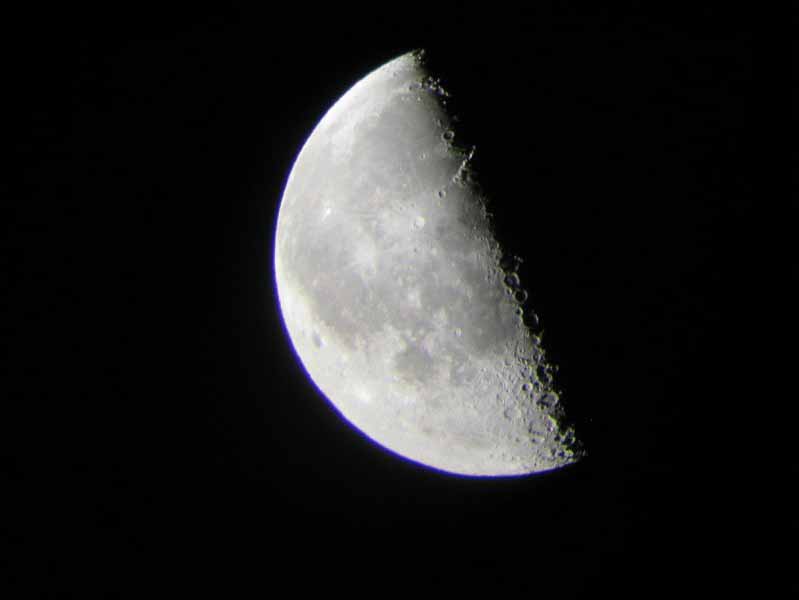
Moonrise over Chuckwalla Mountains July 3, 2010 about 11:30 p.m.Third quarter moon, a half hour laterMy small 70mm Televue Ranger was used for the moon images
Summer dark sky observing means short nights, and it’s usually too hot for comfort in the Colorado desert location we love. But Mojo and I decided to pack a cooler full of ice cubes, and take our chances. The predicted daytime high was 102 F, and it would be (we persuaded ourselves) a few degrees cooler at “our” spot. The low temperature for the night was forecast to be 75 degrees. We could live with that!
It didn’t get dark enough to observe anything except planets until 9:00 p.m. and so we only had two and a half hours of dark sky before moonrise would make it too bright.
One of the benefits of living and observing in Southern California is that at latitude 33N, we can see deep into the southern skies.
Summer nights are just made for observing Scorpius. The Bug Nebula NGC 6302 is one of my favorites ever since I saw and sketched it high in the Australian skies in 1999. NGC 6231, the Table of Scorpius is another favorite. It’s an open cluster near Zeta Scorpii, the first star marking the Scorpion’s curvy tail.
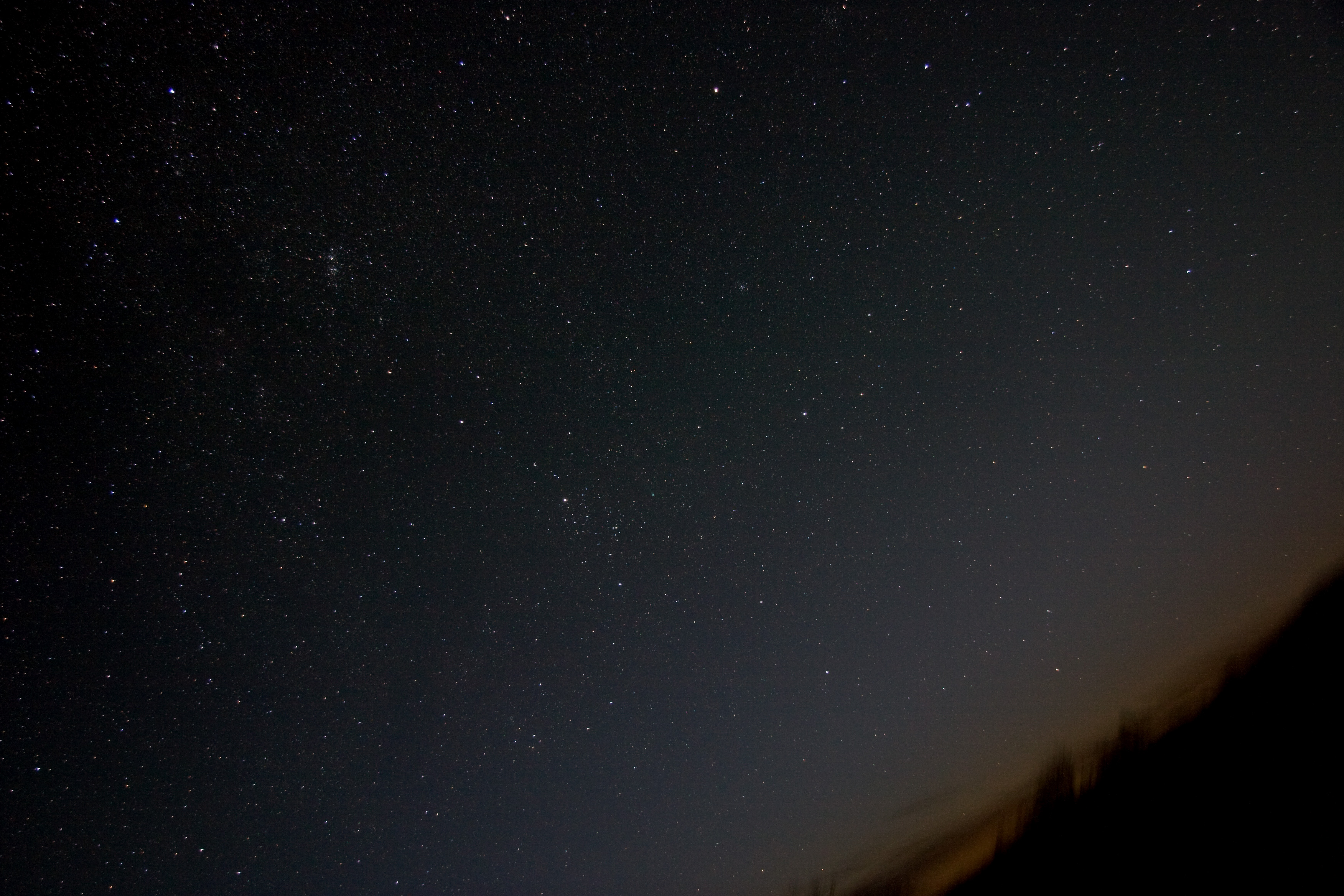
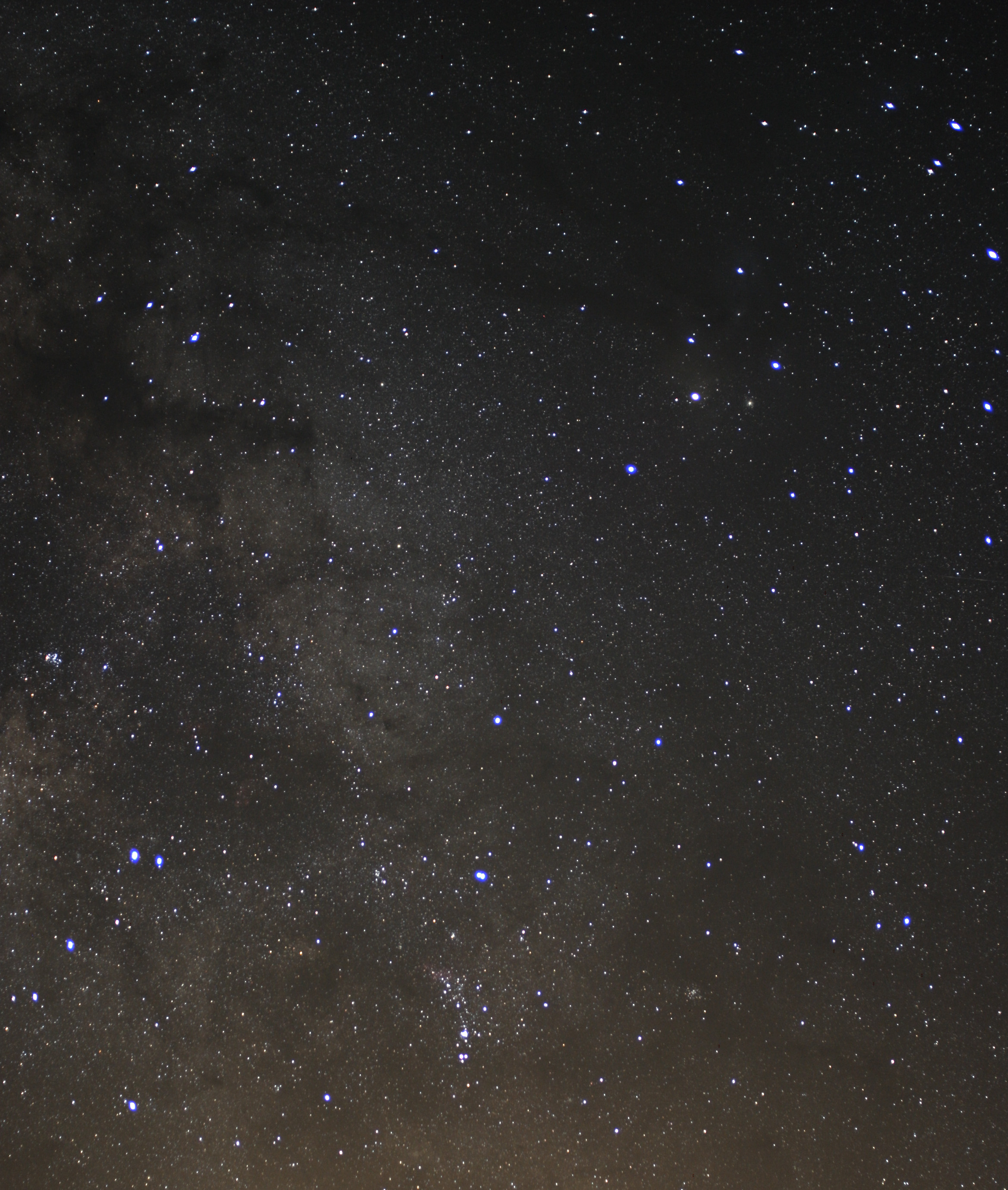
This is a delightful region (great with binos too) full of Milky Way wonders, including emission nebula IC4628. Mojo captured the area beautifully in his image of Scorpius last night. The star cluster center bottom is NGC 6231, and the reddish patch just above it is the emission nebula IC4628.
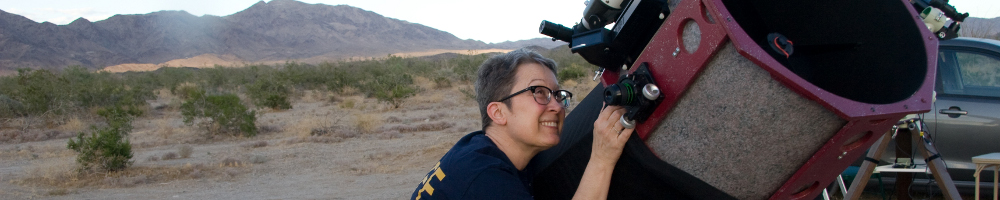
This is the area I was aiming my big telescope at until about 11 p.m. when we could see the lunar light dome emerging. We finished up our projects and waited for that first “wedge” of moonlight to breech the mountain ridge to the east.
I took some afocal images using my Canon Powershot SD870IS Digital camera held at the eyepiece of my small refractor. I’m pretty happy with the results.
Since it was a short night, this is a short observing report. 🙂
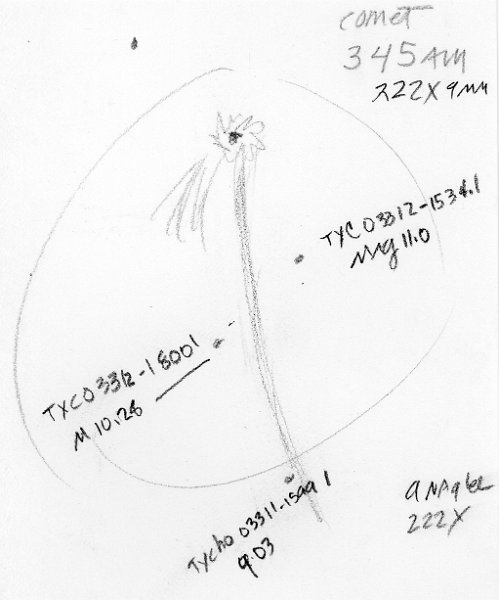
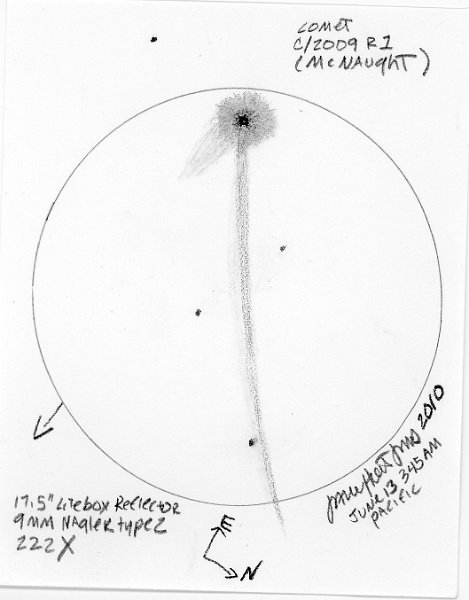
Use a chart like this to locate where to look for your objectCan you find the constellation Perseus and comet McNaught in Mojo’s lovely skyscape?Mojo's photo of Comet McNaughtQuick comet sketch with notes. See the long ion tail, the bright coma, and the short dust tail in my sketchesComet C/2009 R1 (McNaught) June 13, 3:45 am from Chuckwalla Bench observing site, Colorado Desert. Lat 33N, Long 114W, Elev 1400 ft
I wish everyone in the world could see just one comet! Right now, there is one visible just as the dawn brightens the night sky. Unfortunately, it’s not easy or convenient to see this one, and in another ten days it will disappear below our horizon. It’s just barely visible to the unaided eye. Timing your viewing window is tricky, too. You have to find a balance between the time the comet rises high enough to see, and the coming of dawn, which robs the night of its darkness and guidepost stars an hour or two later.
Here are some tips to help you have a successful comet viewing experience now or in the future. When you first hear about a visible comet, you can usually find some online sky charts from astronomy magazines such as Sky and Telescope and Astronomy. Many online sources can offer guidelines and observations, too.
Star charts are fine, but you have to go out and navigate the real sky to find unfamiliar constellations. From the city, or close to dawn, this is a real challenge. You may only see a few bright stars in the sky. Try to see the stars making up the constellation Perseus in Mojo’s image. I’ll admit, it isn’t easy, especially when you are rushing against time. Now, compare his image to the star chart. And you’ll soon see the figure of the hero, Perseus, starting to emerge.
I use the familiar “W” shaped constellation Cassiopeia as a signpost to locate Perseus. Then I see Perseus with his two running legs, joined at the bright star Alpha Perseus (Mirfak). Nearby you can see the naked-eye open cluster known as either Melotte 20 or the Alpha Perseii cluster. Next, I make a mental triangle out of Alpha, Delta and Kappa Perseii, the three bright stars closest to the comet shown on the star chart.
Finally, I aim my binoculars at the triangle of stars and hold my breath. Then I see it, and I quietly say “hello” to the swift celestial traveller. I get chills every time I see a comet. And this time is no different. A little green fuzzball is right where the comet should be.
Now I jump into action. I dust the cobwebs out of my brain, as well as I can at 3:45 am in the morning. I’ve just woken up from a short nap. I quickly sketch what I see in the eyepiece of my big telescope, taking care to mark any stars nearby, and note the time. Then I call everyone who is awake over for a look. We all move sluggishly in the near dawn light, like we are walking through sandy molasses. We share views with one another, through binoculars and a variety of telescopes large and small.
Overhead, the Milky Way has disappeared, and the glow of twilight grows brighter. I have yet another predawn observing target, so I quickly make a second sketch with a little more detail. Then I nod goodnight to the beautiful green comet, aim my binoculars just a little to the east and wait. It will be nearly one hour before Mercury will rise over the mountains.
This comet is making its first approach around the sun, in its long hyperbolic orbit from the Oort Cloud. At the time of my observation, the comet was 0.6 AU from the Sun and 1.1 AU from Earth. By the end of June, it will be lost to our view. It reaches perihelion on July 2nd when it is about 0.4 AU from the sun. Then it will fade and be seen no more.
Added postscript: According to this Space.com article, the comet may be visible “after June 22 both in the evening sky for a short while just after sunset very low above the north-northwest horizon and in the morning sky just before sunrise very low above the north-northeast horizon.” I’ll update if/when I learn more.
See more of Mojo’s photos from this observing night.
Join our Old Town Sidewalk Astronomers email list and find out when our next dark sky outing will be. Or join us at our next in-town new telescope users clinic and planet/moon viewing event. Hey, that’s tonight, June 19! Clinic (RSVP required) begins before dark at 7 p.m. Star Party continues until 9:30 p.m. at Library Park in Monrovia, CA.
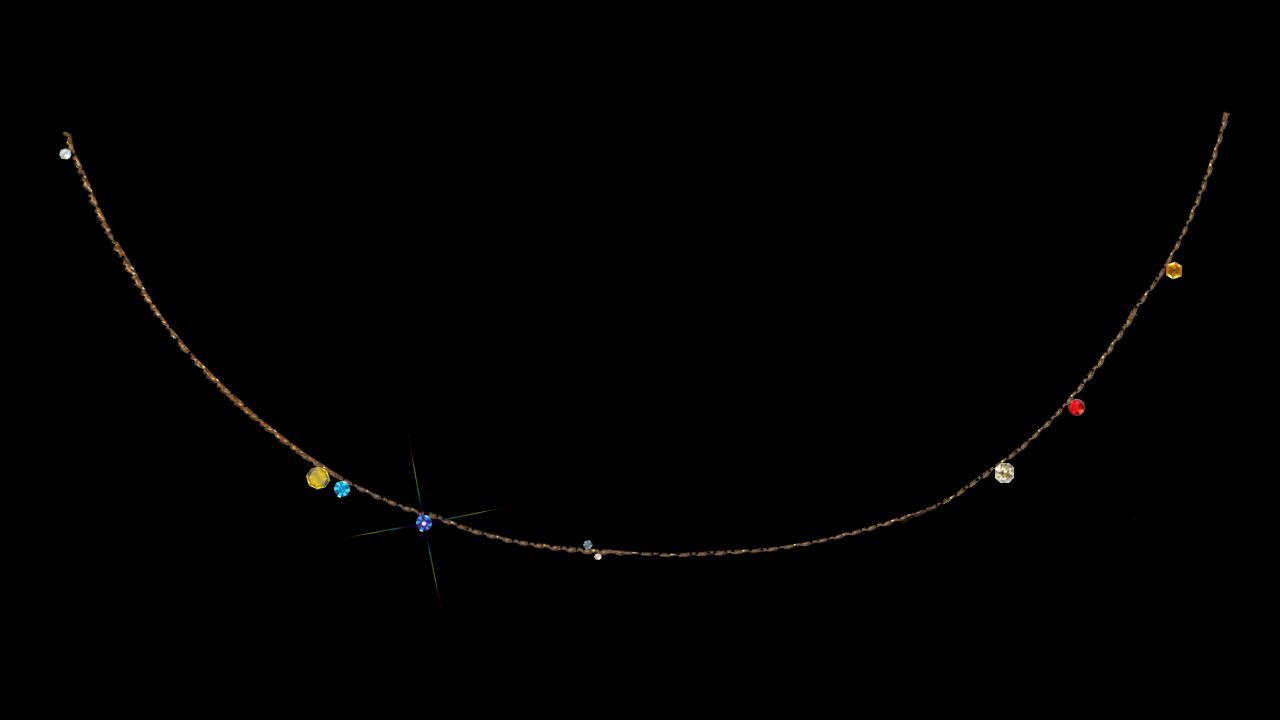
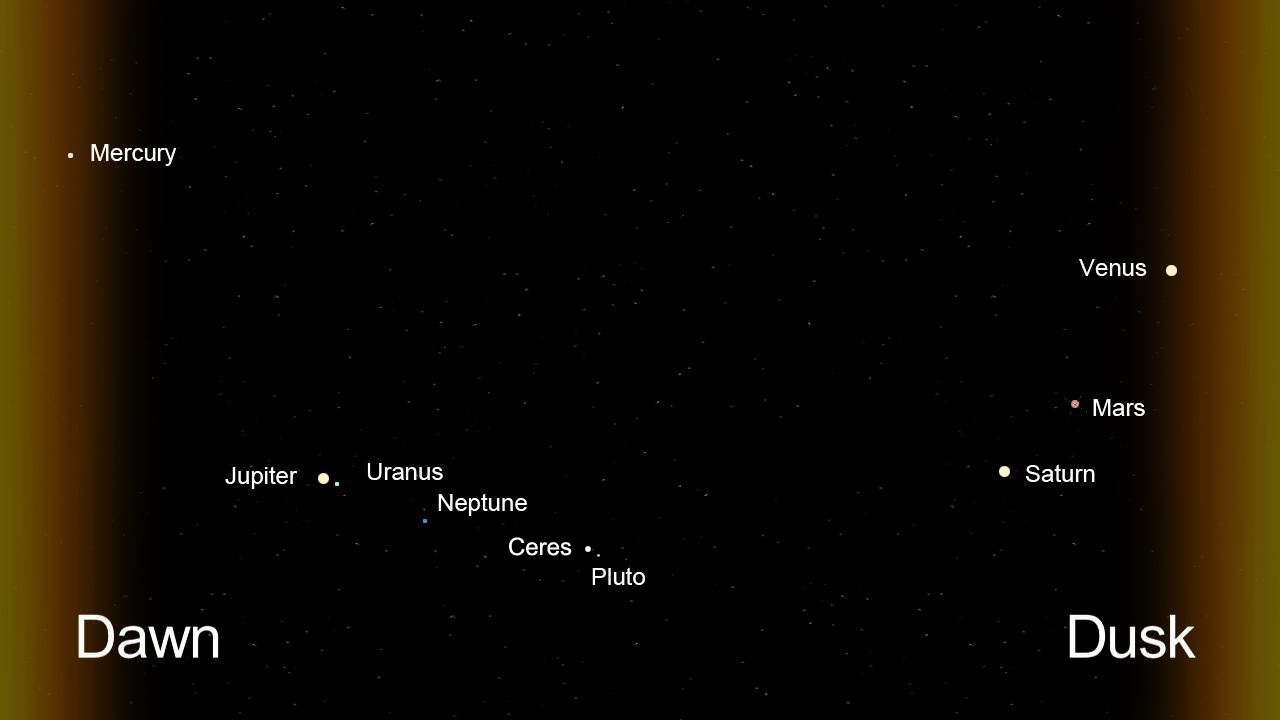
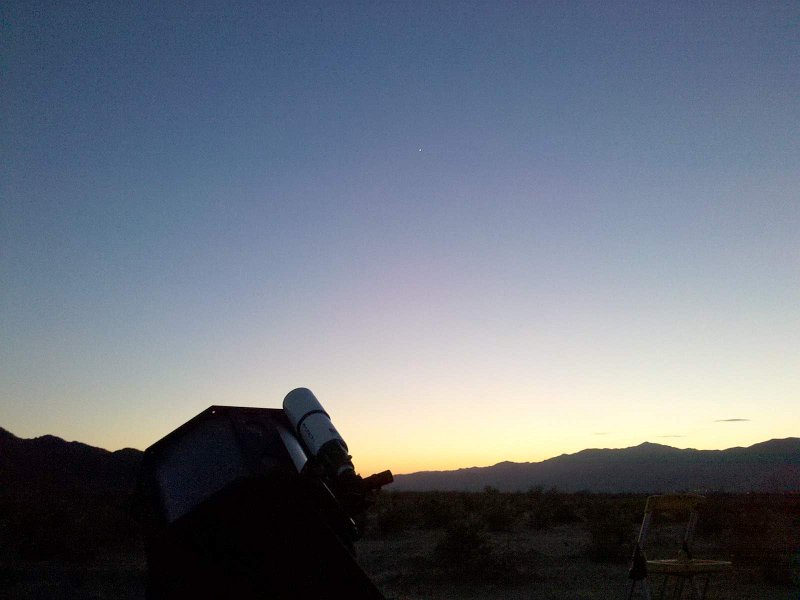
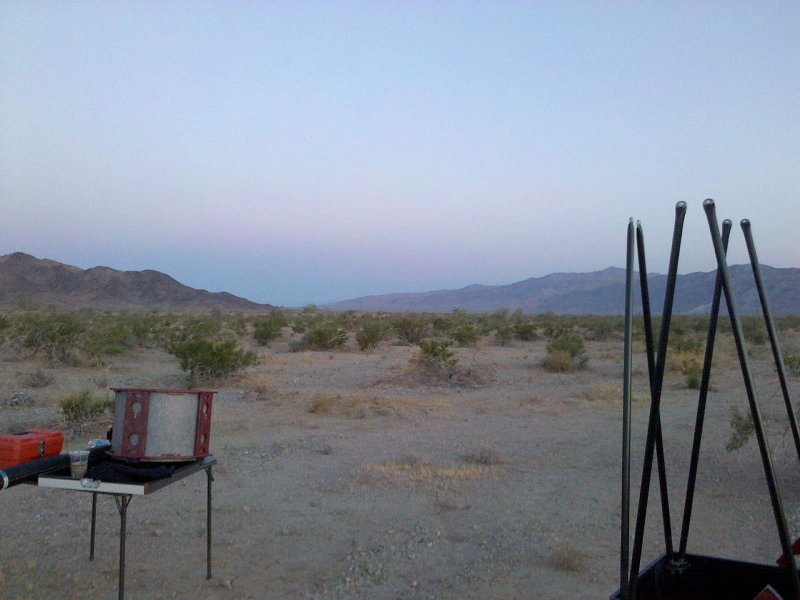
Setting up my favorite Pluto hunting telescope, a 17.5 inch f/4.5 Litebox reflector. Oh, in case you were wondering, its name is Hagrid. All my telescopes have names. Chuckwalla Bench horizonsEarth shadow at sunset, and Mojo setting up his astrophotography rigA starry necklace spans the sky from dusk to dawnThe planetary lineup from dusk to dawnTwo planets, Venus and Earth at sunsetM24 cluster and 60 day path of PlutoDo you see the Sagittarius teapot and the Milky Way "steam" rising from the spout? How about M24, the huge Sagittarius starcloud (the oval of stars 1pm above center) where Pluto hides?Earth shadow at sunriseBonus picture: This is the "naked eye" view of the sky where Comet McNaught can be found. Can you see the green comet near the Perseus Cluster? If not go to Mojo's Blog for closeup. Click to enlarge. It took binoculars for most of us to spot the first time. 🙂
Every couple of years I get the yearning to see all the planets in one night. Saturday night, June 12 seemed like the perfect opportunity. Our Old Town Sidewalk Astronomers club planned an outing to our regular observing spot, Chuckwalla Bench, which has very good horizons. We needed good horizons to catch Mercury rising just before sunrise.
Here are my planet observations, in observing order. All distances are listed in astronomical units and represent the distance from Earth on June 12, 2010, the night of my observations.
Earth! Facing away from the setting sun, the Eastern horizon turned shades of blue above the pinkish sky. That’s the shadow of the Earth! The dark blue band seems to rise above the landscape and spans 180 degrees. The pinkish sky above the shadow is the antitwilight arch. As the sun sets, the boundary between the reddened (pink) color and the horizon grows until it blends with the darkening night sky. The same thing happens at dawn of course. Look for it, and tell me what you see!
Venus! The first “star” to appear in our sky after sunset was Venus. Through the telescopes its gibbous phase is unmistakable! Its distance from Earth is 1.2 AU (astronomical units).
Mars! I was not expecting to see any features on Mars, since it is so far away and so small. Mars is 1.7 AU from Earth, but only half the diameter of Earth. I was surprised that I could see some dark markings, through a small refractor. When we checked a Mars map for the time of the observation, the large dark feature Syrtis Major was indeed right smack on the central meridian – the imaginary line in the center of the planet facing Earth at that moment.
Saturn! What’s not to love about Saturn! The brownish cloud bands contrasted against the butterscotch hued planetary globe. The slender ring, appearing nearly edge-on, bisected the planet, showing a tiny glimmer of sunlight shining on the north side of the rings. Several moons were visible, though one of the larger ones, Dione, was transiting (crossing in front of) the planet on this night. I spotted Mimas and Enceladus — tiny beacons of light — hovering near the edge of the rings. Titan and Hyperion were on the same side, only further away. Rhea was on the other side. Dione’s shadow marched across the face of the planet for astrophotographers to capture. I didn’t see it visually. Distance from Earth is 9.4 AU right now.
Pluto! This small icy world is 30 AU away from Earth. Once a planet, it is now a dwarf planet. But that doesn’t alter my enjoyment of seeing it through a telescope. For the past few years, Pluto has been marching slowly towards the richest part of our Milky Way galaxy making it a challenging object to confirm in backyard telescopes. Right now it is found skimming the Northern border of M24, the Milky Way Star Cloud. That’s a lot of stars to wade through to find one dwarf planet!
I printed out star charts showing just the few surrounding stars and Pluto, indicating the motion over the evening so I could go back and verify the observation closer to dawn. I also made zoomed out charts, showing larger and larger areas of the region. I had some galactic luck this month! A small open cluster called NGC6603 was nearby to Pluto within the larger M24 open cluster. A few distinctive star patterns separated the dwarf planet from the small star cluster, and I was able to easily starhop and make a positive ID. With Pluto bagged, I was feeling confident about the rest of my planetary to-do list.
Note: From July 4th through the 8th Pluto will pass in front of a dark nebula on the Northwest border of the M24 named B92. This should make the tiny magnitude 14 speck-of-a-former-planet easy to spot.
Ceres, another ex-planet was nearby so I hopped over to have a look at it. Ceres spent half a century after its discovery in 1801 as our 8th planet. Then it was demoted to an asteroid, but its significance was cemented by its designation, 1 Ceres. After many years working the solar system as chief #1 asteroid or minor planet, in 2006 Ceres was promoted to dwarf planethood along with Pluto. Ceres is 1.8 AU from Earth, by the way.
With the dwarf planet observations under my belt, I took a short nap to allow Jupiter, Uranus and Neptune to rise higher in the sky.
Uranus and Jupiter! When two planets are at opposition at nearly the same time they appear to pass each other from our viewing vantage point on Earth. This year we will see Jupiter pass Uranus, then appear to loop backwards–in retrograde–passing near Uranus a second time, then resuming its forward motion with third final close pass. The next time this will happen is 2037, so you might want to aim your binoculars at this pretty pair of planets this year. This is the first pas de deux, so you have many months to view the dance of the two gas giants. Through the telescope, Jupiter, which is 5.1 AU from Earth, looked unusual to me. It was my first look at the planet since the Southern Equatorial Band disappeared. A few months ago, this chunky ruddy band went missing.
Uranus has a beautiful aquamarine color. It has several moons just on the border of visibility through large amateur telescopes. I was able to spot three of the brighter moons of this planet — the ones farthest from the planet’s glow. Titania and Oberon on one side and Ariel on the other. A big ‘scope and good dark and steady skies help to see the faint moons! Uranus is 20 AU from Earth. Try looking up at Jupiter in a dark sky and see if you can spot a blue-green “star” nearby.
Neptune! Neptune sports an azure-blue hue and appears like a tiny disc. It’s nearly 30 AU away near the southern tip of Capricornus. At this time of year, that means waiting until 3 am or later for a view.
Now I had snagged all the planets except Mercury. It would be rising an hour before sunrise at 5:30 am, but the elevation of hills on the SE horizon were difficult to measure. I kept my eyes on the Pleaides star cluster as Mercury would rise directly below the famous cluster. By 4 am, with an hour and a half until sunrise, the sky was already brightening. First, the glorious Milky Way faded until it was nothing but a memory. Then, one by one the constellations disappeared, except for their brightest starry ambassadors. I steadied my binoculars as the Pleiades or “Seven Sisters” disappeared one by one. I kept the remaining Pleiades stars in my binocular view while moved back and forth, scanning the horizon for Mercury. Soon the rays of pending dawn punctuated the horizon, and I worried that I’d miss it as sunrise made the landscape visible once again. I could still see some of the Pleiades, and kept looking for over 45 minutes. Finally, just a few minutes before 5:00 am, a bright beacon appeared on the horizon. It was Mercury! I had seen ten planets in the span of nine hours!
The nine hours passed so quickly. With sunrise comes daylight and the views of the night sky fade from view but not from memory. Join us out in the desert sometime or find a local astronomy club closer to you so you can see these wonders of our solar system for yourself! You really have to see this!
December 1690 sketch of new dark spot on Jupiter by G. D. Cassini and changes to the spot over 18 daysMy first sketch of SL 9 impacts on Jupiter July 18, 1994.My July 26, 2009 sketch of the impact on Jupiter, discovered by Anthony Wesley (upper left 11-o’clock spot)
Anthony Wesley's preliminary (a raw frame from his video) showing new impact of Jupiter, June 3, 2010
On June 3, 2010, shortly before dawn in New South Wales, Australia, Anthony Wesley was imaging Jupiter. He saw a bright flash visually, and captured it on video. He quickly sent out an alert to imagers and scientists, followed soon with a preliminary raw frame from his video. Christopher Go also imaged this flash at the same time from the Philippines, and he also alerted the scientific and imaging communities.
The word spread like wildfire, and soon amateur and professional astronomers around the world were calculating when the impact area would rotate around the planet, to be hopefully visible from their own location, telescope or observatory. Would the impact leave a scar? No one knew for sure, but more observations were needed.
We’ve seen and documented three impacts to hit Jupiter since 1994 — but how many have we missed? Impact events leave no long-lasting scars on the surface of Jupiter. Jupiter’s bruises fade away.
Any science enthusiast who remembers 1994 will never forget the buildup to Shoemaker-Levy 9’s amazing impacts into Jupiter that summer. I have many sketches of what I observed visually those first nights when the world saw predicted cometary fragments hit Jupiter and leave visible impact scars. Astronomy clubs around the world saw increases in membership because of the press coverage.
I took my homemade 10-inch reflector telescope out on my back deck and observed and sketched Jupiter every clear night in the summer of 1994. I was, unwittingly at the time, continuing the tradition of citizen scientist recordings of visual astronomical observations — a tradition which goes back thousands of years.
Last year I was researching historical astronomical observations for my International Year of Astronomy (IYA) podcast series. I learned that Giovanni Domenico Cassini not only first saw Jupiter’s great red spot (called Jupiter’s permanent spot) in 1665, but he also observed and documented other large spots in December 1690.
Cassini’s sketched this feature over eighteen days in December 1690. His sketches show changes in the feature over time. His observations were published in 1792 as “Nouvelles descouvertes dans le globe de Jupiter.”
Today’s citizen scientists around the world observe their targets nearly every clear night. And when they see something unusual they immediately alert their community of colleagues. Sometimes, like in this case, other eyes or images confirm the observation. And when it is amazing enough, the world’s greatest eyes – Earth-based telescopes like Gemini, Keck, IRTF and even the orbiting Hubble Telescope — take aim.
Their eyes from Earth and space will make observations to delve deeper into Jupiter’s mysteries. Their data will complement observations of astronomy’s citizen scientists whose round-the clock and round-the-world nightly records are the eyes on the sky.
Today a friend told me about her mum. “She has cancer in her
bones, a long slow ticking time bomb” and my friend also also just found out yesterday her 48 year-old sister has breast cancer.
She wrote “I remembered how strong you were recently with Mojo and your sister’s cancer. How is your sister? Is her treatment going well?”
Compassion and fear both flowed in her words. I told her that my sister finished her radiation, and is hopeful that she has kicked cancer’s butt! Mojo is doing great too!
I wrote back to my friend immediately, and said among other things that I thought one thing that might help her was knowledge. Knowledge is power. That sure helped me cope with my sister Wendy and Mojo’s recent bouts with cancer. I read everything I could, and that made me feel in control. Well, a little bit anyway. We can wish and we can pray. We must be strong for our loved ones. I told her that she and her mum and sis might find comfort, strength, power and information by reading about others who are going through the same thing. We can all fight cancer, whether we are suffering from it now, are survivors or know someone who is fighting cancer now, or is fighting for someone who has lost their battle with cancer. We all are in one or more of these categories.
I won’t tell you to write a check, to walk or run, or anything else. When cancer touches you, you will act in the way that works for you. But for my friend and friends I don’t know yet, here are some ideas.
You can turn your fear into action. Donate, Educate, Advocate or Volunteer. Here are some ideas.
Join the Army Of Women. The goal is to recruit one million healthy women of every age and ethnicity, including breast cancer survivors and women at high-risk for the disease, to partner with breast cancer researchers and directly participate in the research that will eradicate breast cancer once and for all. I am very proud that Wendy and I joined the army. And at a recent club meeting, a friend came up to me and told me she had joined too!
Just about every town has a Relay for life cancer walk. Walkers, donations, volunteers and friends are all needed.
I want to work in every way to rid cancer from my family and every family, in what ever small or big way that I can.
And I want to honor those who have lost the fight by fighting back against cancer. I want to Donate, Educate, Advocate and Volunteer.
I want to be strong and fight strong against cancer! I hope you’ll join me!
Once the tents are pitched we put on a star party with assistance from the National Preserve staff, leaders of the National Park Conservation Association and the Mojave National Preserve Conservancy plus many of their friends and members. The public is invited too, and unsuspecting nearby campers were thrilled to chance upon a starshow. Best of all, once the star party is over, we get to explore the national preserve!
On this trip (April 2010) my observing project was to see a Chuckwalla, the big pot-bellied lizard living in this desert area. We searched for them last year with members of the Southwest Herpetologists Society but didn’t see any.
Sunday after the star party, when tents & telescopes were stowed back in our cars we headed off to Amboy Crater in search of wildflowers, and hopefully, our first Chuckwalla.
Amboy Crater — well worth a trip for Geology, spring wildflowers, and lizard hunting — was formed by ash and cinders, and last erupted 10,000 years ago. The lava field terrain (43 square miles of it, actually) surrounding the crater is prime Chuckwalla territory. It’s easy to reach Amboy Crater from Barstow or Twentynine Palms, and you even get to drive on old Route 66. It is well worth a journey!
Chuckwallas can reach 16 inches in length, weigh up to 2 pounds and are specially adapted for desert living. They are strictly vegetarians and store water from plants in special glands to survive the harsh desert heat. The surrounding landscape is very salty and the Chuckwalla absorbs enough salt to kill most living things. But they have salt-removing glands in their nostrils, and as salt builds up on these glands, the lizard sneezes, and this expels the crystallized salt!
We were walking towards the crater and most everyone was way ahead of me. I was lagging behind, checking every lava outcrop for my first Chuckwalla sighting.
I stopped at one especially large outcrop, and scanned the sunny ledges. There, sunning herself, was Mrs. Chuckwalla! She was flattened against the rock to prevent airborne predators from seeing her shadow. Her round midsection was prominent, leading one herpetologist to suggest she was pregnant. I called to my hiking party who all quickly returned to see her. Soon, this poor shy girl was the subject of paparazzi!
Then Mr. Chuckwalla came out to see what the fuss was about. Male Chuckwallas have more of the red color (and black heads) and females are more tan/yellowish brown. They are majestic large lizards, and adapt their coloring to the rocks they inhabit. They’re not really fast, and need some sunshine to warm up in the morning. So, when danger approaches, they scoot into rocky crevices, puff up by gulping air, and wedge themselves into the cracks in the rock. This makes them difficult for predators to reach.
We also observed dozens of spring wildflowers on this hike and our earlier hike to Teutonia Peak, which I didn’t even write about here. Have a look at these images of our wonderful adventure, and put a Mojave spring wildflower/Chuckwalla play-date on your calendar. This is also a prime Desert Tortoise sighting location, but it was a bit windy on this weekend, and the tortoises were in their burrows.
Mojo’s amazing panoramas and additional images from both hikes are worth a look and will encourage you to put this park on your to-visit list. You will not be disappointed!
I’ve been thinking about cancer a lot more than I used to. Mojo was diagnosed with a small but clinically significant prostate cancer in September 2009. And that’s when I needed to know more about cancer. His diagnosis began with a routine blood test during his annual physical which indicated an elevated PSA (prostate specific antigen). He went in for a retest, biopsy, and finally on January 19, the day after his 53rd birthday and 4 days after our 10th wedding anniversary he had a radical prostatectomy. His pathology report contained comforting words, clinically delivered. And the best news of all came three months later on April 19th when Mojo’s first post-surgery blood test came back with a PSA of zero. He is cancer free!
Two days after Mojo’s surgery, on January 21, my sister Wendy had a lumpectomy for non invasive stage 0 ductal carcinoma. Once again I needed to know more about this cancer which was hurting my sister. A few days after her surgery, she got the good news that the surgery removed the lesion with a wide margin of healthy tissue. A few weeks later Wendy was scanned, marked and stickered for twice-a-day radiation treatments over five days. Finally, in early March, Wendy was released from what she affectionately called BAM – the Borg Assimilation Machine, when the radiation hardware was removed.
Also in early March, while cancer was so heavy on my mind, I traveled to the Lunar and Planetary Sciences Conference (LPSC) near Houston, Texas. I met an amazing woman who I previously only knew from the social media science community. Little did I know that the very week I met Susan face to face for the first time at LPSC, as we stared at each others name badges, and exclaimed “I know you from Twitter“, she was having a recurrence of inflammatory breast cancer and had to leave the conference for tests, surgery and next steps. I didn’t have a clue at the time about her three-year battle with this deadly form of cancer. And once again I needed to know more about cancer.
I am happy that Mojo, Wendy, Susan and millions more are cancer survivors. I am so sorry that Susan is facing a recurrence of her cancer. I want to take action to find cures and answers about cancer! Not with my checkbook, but as a volunteer for research that will stop cancer from attacking my family and friends.
What can I do to help save Susan’s life and the lives of millions of others with cancer? What can I do for those in remission, those with a recurrence or a new cancer, or those who may get cancer in the future? I can become part of the research. One out of every three of us will get cancer, says the American Cancer Society, and right now there is no cure. But there can be. All we need is research. So my sister Wendy and I signed up for the Army of Women Breast Cancer research volunteer network. Its two goals are
to recruit one million healthy women of every age and ethnicity, including breast cancer survivors and women at high-risk for the disease, to partner with breast cancer researchers and directly participate in the research that will eradicate breast cancer once and for all.
to challenge the scientific community to expand its current focus to include breast cancer prevention research conducted on healthy women.
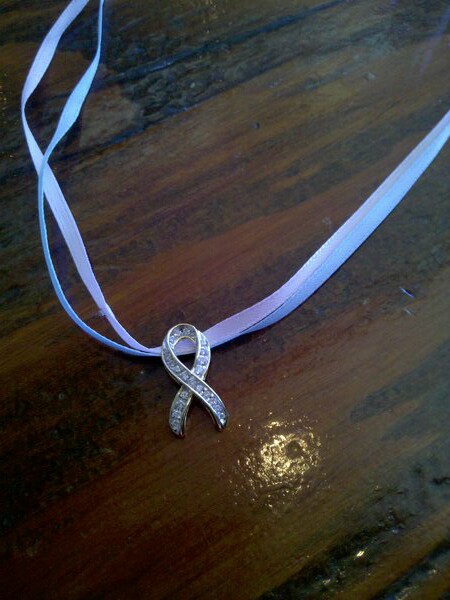
So it will come as no surprise that my sister Wendy gave our mother a diamond cancer awareness pendant for her recent 80th birthday. Wendy replaced the chain with two ribbons, a pink one and a blue one. The pink ribbon represents breast cancer awareness and the blue ribbon represents prostate cancer awareness. At the birthday party, I shed a tear for the family and friends I have lost to cancer, and for those in my family who are struggling with this deadly disease right this minute. But I was gleeful too. Our family all raised their glasses, and each in his or her own way were thankful to have Mojo and Wendy at the birthday table as our mother turned 80 years old.
I’m putting my hands inside the neophrene gloves, which are now filled with nitrogenJane and JPL outreach colleagues give 3 lunar samples a thumbs up.
While attending the 41st Lunar and Planetary Sciences Conference in The Woodlands, TX (a suburb of Houston) in early March 2010, I was lucky enough to visit the Johnson Space Center’s famous Lunar Sample Processing Facility. Most of the time during my one week stay, I was setting up, staffing, and taking down an exhibit focusing on NASA/ESA missions to the Outer Planets.
After packing the exhibit Thursday night we got a good night’s sleep and headed to Johnson Space Center, about an hour’s distance away the next morning. Every space enthusiast can visit JSC, and have a great tour. But we had a specific destination in mind — the Lunar Sample Processing Facility. How appropriate a visit, especially after a week at the Lunar and Planetary Sciences Conference!
First, we stopped for lunch at astronaut Jose Hernandez’s family restaurant Tierra Luna Grill.
After lunch we (we being my JPL outreach colleagues Preston Dyches, Eddie Gonzales and I) parked outside Building 31N, and walked upstairs. We donned booties to cover our shoes, and put on head-to toe white bunny suits, gloves and head covering, after removing any gold jewelry. Why? Gold and silver alloys (even 24K gold) have trace amounts of lead and lead is not allowed in the laboratory. Our cameras and cell phones were wiped down to reduce dust, and placed in an airlock. Then we entered the air shower, where any dust remaining on our bunny suits was gently filtered off, and a minute later, we walked into the Lunar Sample Laboratory Facility.
We entered the room, filled with monochrome cabinets and tools made of steel and teflon. White clad space geeks listened intently as our tour guide, Charles Galindo, principal scientist and astrobiology lab manager (he’s very active in educational outreach) took us from cabinet to cabinet, peeling back the years of history, to reveal the why and the how behind the wow!
Soon we were inserting our hands into the huge and awkward neophrene gloves, and touching hammers that touched real lunar samples! We walked around the room, and into the corridors, past the locked steel vault holding priceless samples collected from the surface of the moon. At one end of the room was a large case with three large lunar samples. I’ll end my little tale with a short description of these three samples.
Lunar Sample 61016.7 was collected from Plum Crater on the Apollo 16 mission. This sample is nicknamed Big Mulie in honor of UT geologist Bill Muehlberger, and is the largest rock (11.7 kg) collected on the Apollo Missions. The sample contained 4 rock types, including anorthosite from the ancient lunar crust, age: 4.5 billlion years.
Lunar Sample 15459 was collected from Spur Crater on the Apollo 15 mission. It is a large dense regolith breccia which contains a mineral, glass and chemical composition like that of the local soil. Here are a couple In Situ images!
Lunar Sample 15556.0 is medium grained vesticular basalt from Apollo 15. Here are many images including thin sections. This sample was collected 60 m NE of the rim of Hadley Rille!
When I am out with my telescopes showing the moon to my sidewalk astronomy audiences, I carry a lunar landing site map exactly like this one. The Apollo 15 landing site is easy to point out to my audiences, especially near the first quarter moon phase. It’s near the familiar lunar landmarks like the Appenines, right on the rim of the great Imbrium Impact basin.
Hadley Rille is an observing mecca for lunatics like me. It draws me in to it, and then with a nod to space history and Apollo 15 recollections, I can’t help but try to see some of the tiny craters near the landing site. Peering through an eyepiece at the areas where men landed and walked on the moon adds a dimension to amateur astronomy which I find compelling. You will too, I’m sure!
My complete photo album, including more site visits at JSC and the exhibit at the Lunar and Planetary Sciences Conference 2010 are here. Many thanks to Charles Galindo of JSC for taking us on this amazing adventure and to Eddie Gonzales of JPL for orchestrating the whole visit!
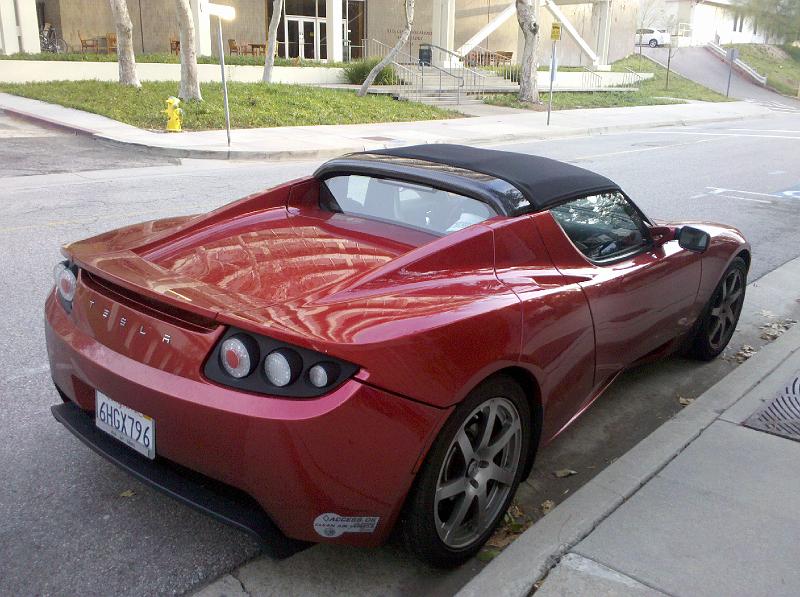
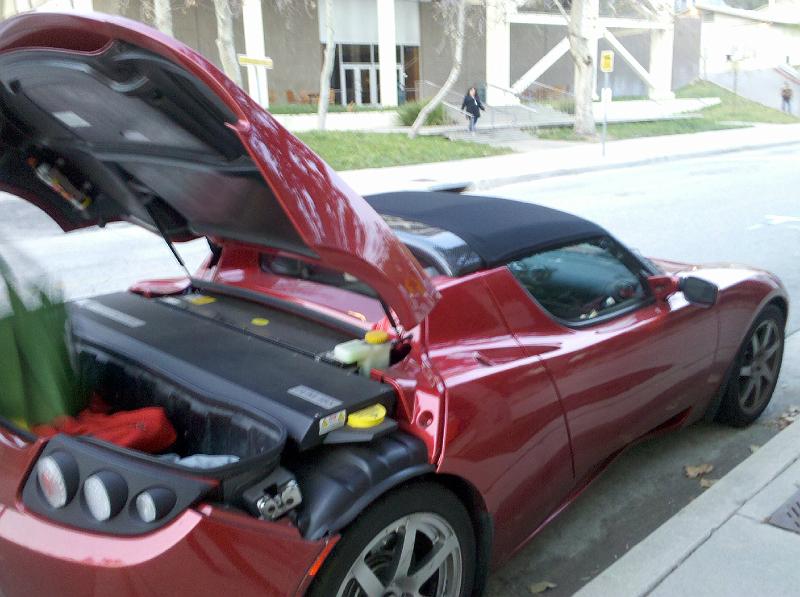
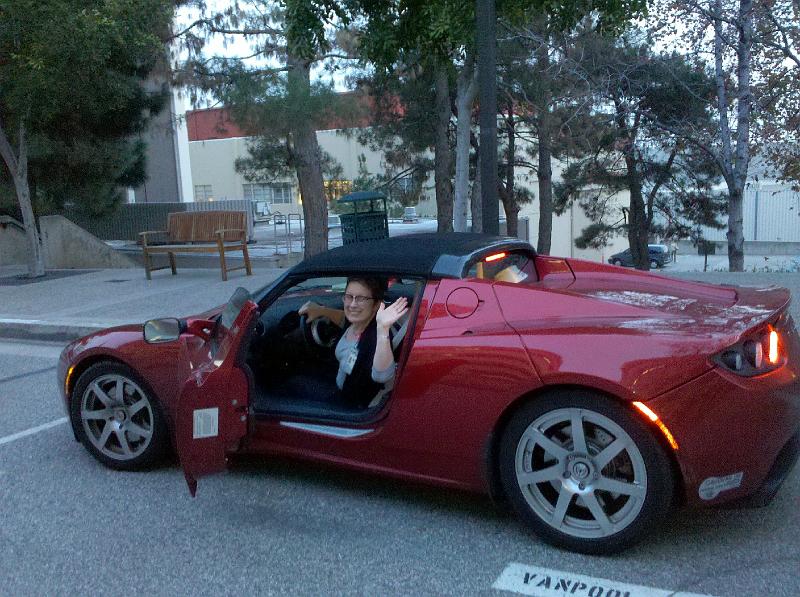
Unique vehicles abound at JPLI saw this car parked in front of my building at JPL last weekChecking out the Tesla’s trunkBack at work after my 20 minute Tesla driveNikola Tesla’s laboratory, circa 1900
It is not unusual to see robotic vehicles on the roads around the laboratory, especially during the weeks surrounding our annual open house when a dozen or more rovers, robots and spacecraft are out on public display.
One recent morning, I noticed a unique vehicle parked next to my building. It was a Tesla Roadster! I stopped and took a photo of it – it is such a gorgeous car! Then, of course, I tweeted it, and put the picture on Facebook.
On my lunch hour I went back out and looked at it, and noticed the license plate holder said “My Other EV is on Mars!”
Toward the end of the day, I overheard a group of colleagues talking about the Tesla, and I joined them. A minute later the Tesla’s owner walked up and asked me if I wanted a ride! When she drives the Tesla to work, she becomes an Electric Vehicle EVangelist and offers half-hour rides around Pasadena. She has a long waiting list, but had a cancellation, and offered me the 5 p.m. time-slot. It’s her way to spread the EVangelism and make more people aware of electric vehicles. 🙂
Within a few minutes I was stowing my purse in the trunk of this gorgeous car! Then after a few rules (pay for your own tickets, don’t crash, etc.) I was handed the keys! I opened the driver’s door and stepped down in the drivers seat. Wow, this car is just my size!
I aligned the side mirrors by rolling down the window and manually adjusting them. I familiarized myself with the blind spots, adjusted the seat and put the key in the ignition.The roadster came silently to life. I shifted from neutral to drive, checked for traffic behind me, pressed the throttle pedal and drove the Tesla down JPL’s Mariner Road, out the security gate and onto the 210 or Foothill Freeway.
My friend encouraged me to accelerate, and I obeyed instantly! In seconds I was cruising at 60 MPH, changing lanes while caressing the three-spoke steering wheel, pedal to the metal, and watching all the ordinary cars turn green with envy.
I couldn’t help but think of the car’s namesake, Nikola Tesla, whose inventions include the induction motor and alternating-current power transmission. The Tesla Roadster was unveiled just days after the 150th anniversary of his birth in 2006. If he were alive today, I think he’d enjoy a test drive with me in and around NASA’s Jet Propulsion Laboratory!
Soon, it was time to return the car so another lucky driver could share my experience, and join the cadre of Tesla EVangelists!
I drove back through the gates, parked the car, shifted back into neutral, set the brake,and turned over the keys, but not before I got a picture of my first and maybe my last Tesla test drive.
Meow! I am Jane and Mojo’s cat, Clarissa. I’m a gorgeous (if I do say so myself) eight year-old Tortoiseshell Tabby cat. I asked Jane to take some pictures and video of me to share with all you cat lovers. I hope you like them!
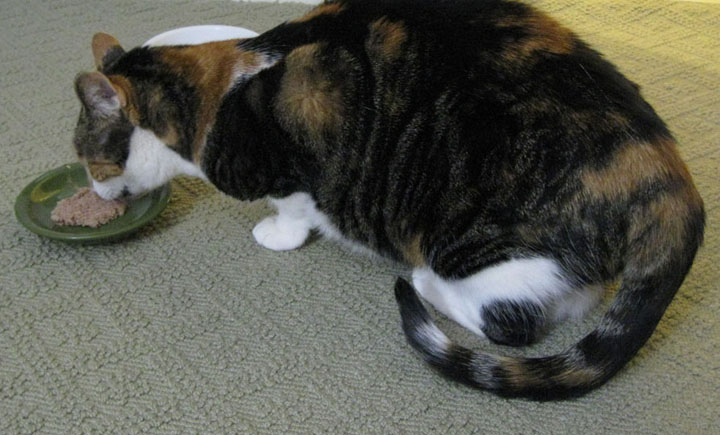
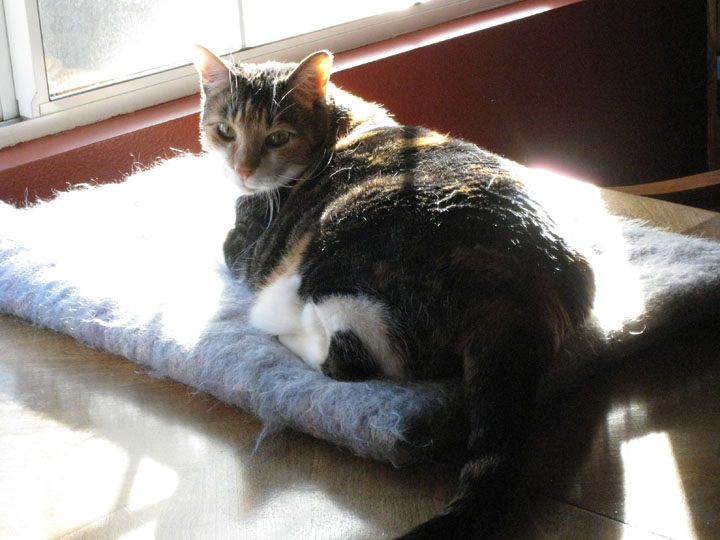
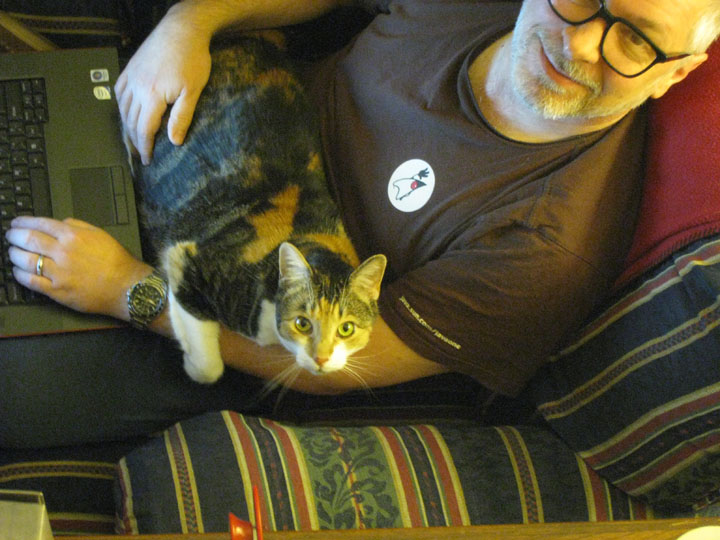
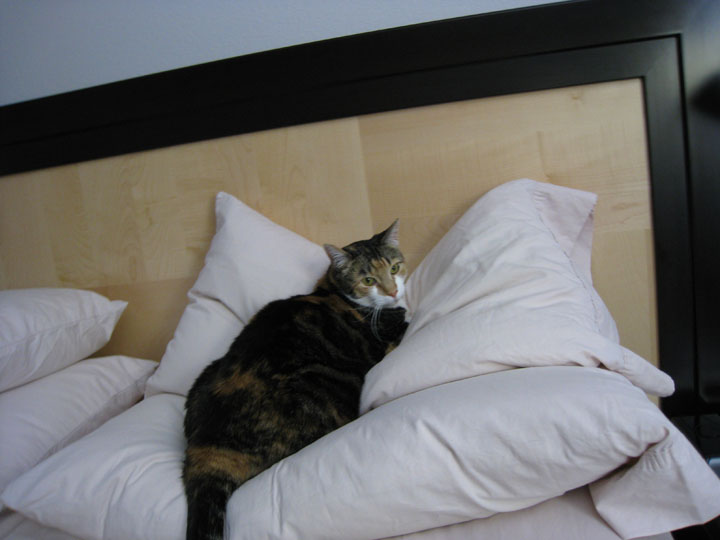
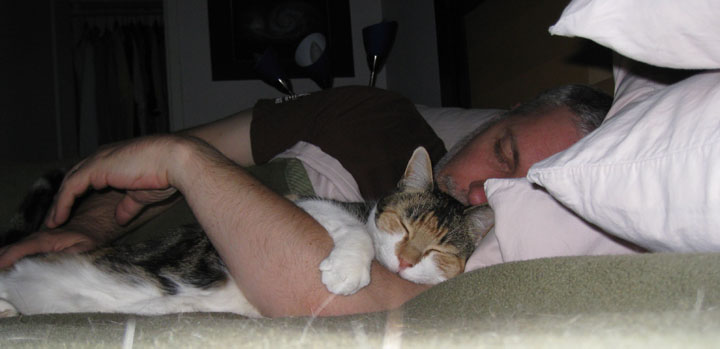
I love my Science Diet Savory Chicken cat foodThe sun is so warm when I sit by the windowIn the evening I help Mojo with his laptopJane and I share the pillows. She gets the bottom corner (sometimes)Helping Mojo go to sleep.
My favorite time of the day is when I wake up. The first thing I do is to see if Jane or Mojo are also awake. I meow at them to say “good morning, cat feeders”. Then I hop up on the bed and I walk all over their backs to remind them it is my breakfast time. That usually wakes one of them up.
Pretty soon I get a delicious breakfast of Science Diet cat food especially made for “mature” cats like me. One dish is soft and juicy and made from minced birds. The other dish is crunchy and made of bird by-products, whatever those are. Right now I am having some hairball issues and so my food helps me with that problem. It is sooo embarrassing.
I am an indoor cat, but I really like to look out the window. I have some “outdoor” friends who come round to visit me and we have so much fun together! We meow at each other, and make our tails really bushy so we look bigger than we really are. We fiercely swish our tails at each other. Then we make these wild roaring noises. I have no idea where I learned to do that. My wild cat ancestors must have passed that behavior down to me. How do I know, I’m just a cat. All I know is when I pounce on the sliding doors, my cat friends pounce back. It is sooo much fun!
When not eating and chatting with my friends, I spend a lot of my day on this really nice mohair blanket. It’s in the library and there is a big window there to look out of. Sometimes, I see Jane going to work, when I look out the window. She waves at me, and makes silly gestures to get my attention. It is sooo embarrassing. I sit there watching, and hope none of my friends see me. Then I have the house to myself, and head straight for a sunbeam.
In the morning, the sunbeams spread across my blanket which is on a table in the library. It is so comfy and warm on that blanket, that as soon as I stretch out, my little cat eyes get all heavy and I just can’t help it, but I take a nap right then and there.
I don’t have a lot of cat toys, but I do like my feathers. They are not really toys, more like tools I use to scratch my face and, oh, I guess I do play with them a little bit. They come from real birds, too. I like the big sea gull or wild turkey feathers the best, so if you find one, you can give it to Jane or Mojo, and they’ll see that I get it.
You can see me playing with my feather in this YouTube video. You can see a couple of my other feathers in the video too. One is from an owl. I wouldn’t want to be the one taking it off that owl, tho! They have really big claws, from what I see on TV. Note: the videos are all embedded at the end, so you don’t have to stop reading my blog unless you want to.
When Jane and Mojo get home from work, it’s play time! I have a really fun game I’ve trained them to play. I walk up the stairs, and meow. I stop on every step and meow down at them. I have trained them both to stop what ever they are doing, and follow me up and down the stairs, over and over again. I let them pet me, too. Then on the way down. I flop from stair to stair, and I have trained them to give me belly rubs on the way down. Here is a video of me going down the stairs.
After dinner we spend some quality time together. As soon as Mojo takes out his laptop to do a little work, that’s my clue to hop up on what is left of his lap. He really likes it when I do this. Then I usually head for the back of the chair or sofa and lick his head. When I do this for a long time, he gets a little rash on his head, but he lets me do it anyway. Here is video of our grooming process. It’s a little dark because we were watching TV at the same time.
Well, after grooming, it’s bedtime. I head back upstairs and get comfortable on the pillows. I leave a little room on the pillow for Jane. Then as soon as Mojo is falling asleep, I meow at him and knead his arm for awhile, while I purr really loudly. Then I go back to my other pillow for a few hours.
Well that pretty much sums up my day. If you have any questions, or want to know about anything else I am up to, just leave a note and I’ll try to answer it when I am not busy. But I gotta go now. It’s dinnertime!
Here is where I stand on the inhumane practice ofdeclawing cats. I am against it and hope you are too!